

News
A Revolution in UAV Flight Stability: BMP390L for Vertical Speed & Barometric Altitude
文章出处:瑞航达电子国际化电子元件渠道分销商 作者:电子元器件供应链服务商 发表时间:2026-01-29
Have you ever wondered why drones can hover so stably in the air and why they can fly at a specific altitude accurately? Behind this lies a seemingly small but highly functional sensor - the BMP390L barometric sensor. Today, let's delve deeper into this core component that makes drones fly more steadily and precisely.
What is the BMP390L barometric pressure sensor?
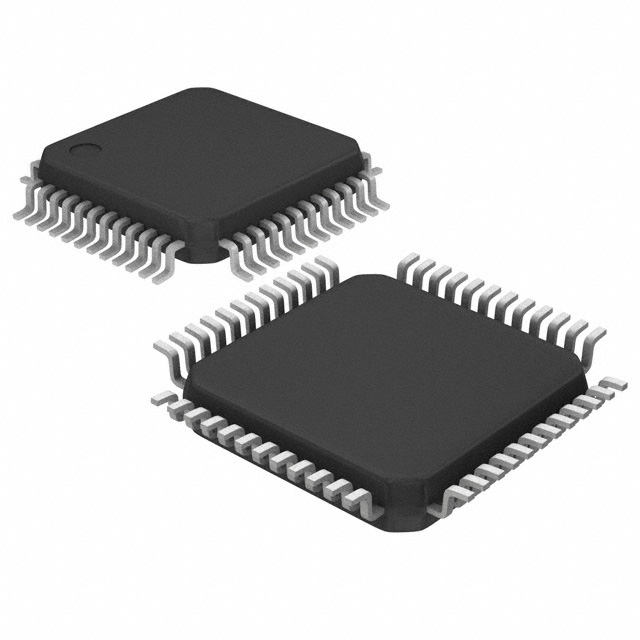
BMP390L is a Bosch industrial-grade digital barometric sensor with high sensitivity. It can accurately detect minute changes in barometric pressure and features stable temperature, low drift, low power consumption (with a sleep current of only 54μA), low noise (below 0.02Pa). Its absolute accuracy has a maximum error of less than 50Pa, and the relative accuracy is ±3Pa (corresponding to a height of 25cm), which is an increase of 166.7% compared to the previous generation. It can detect changes in paper thickness and height, with a long-term stability error of only 16Pa over 12 months, ensuring reliable long-term use.
Vertical speed indicator: The "height sensor" of the unmanned aircraft
In the flight control of unmanned aerial vehicles, the vertical speed indication is of vital importance. The BMP390L can monitor changes in air pressure in real time, accurately calculate the ascent and descent speed and transmit it to the flight control system, helping to adjust the motor speed and ensuring smooth flight. In complex airflow environments such as tall buildings and valleys, its high-precision characteristics can better assist unmanned aerial vehicles in quickly adapting to air pressure changes and maintaining flight stability.
Pressure altitude determination: The "air anchor point" of the unmanned aerial vehicle
Barometric altitude determination is another core function of BMP390L in drone applications. By measuring the current air pressure and comparing it with the ground reference pressure, the sensor can accurately calculate the current altitude of the drone, thereby achieving precise altitude maintenance.
This function addresses the issue of maintaining altitude when GPS signals are insufficient or interfered with. In indoor flights, in urban canyon areas, or in environments where GPS signals are disrupted, the BMP390L can provide reliable altitude data, ensuring that the drone can stabilize and hover at the designated height.
The relative accuracy of BMP390L reaches ±3Pa (equivalent to 25cm), which means that the drone can maintain its altitude with centimeter-level precision. For applications that require precise hovering, such as aerial photography and equipment inspection, this level of accuracy is indispensable.
Multi-sensor fusion: Enhancing overall flight performance
Modern unmanned aerial vehicles usually adopt a multi-sensor fusion approach. The BMP390L works in conjunction with GPS, accelerometers, gyroscopes, and other sensors to provide more comprehensive and reliable flight data.
When the GPS signal is good, the BMP390L can enhance the accuracy of GPS navigation; when the GPS signal is poor, it can independently provide reliable altitude and vertical speed information. This redundant design significantly improves the adaptability and reliability of the unmanned aircraft in various environments.
Especially in special applications such as fire-fighting drones, the altitude data provided by BMP390L is of vital importance for the precise adjustment of the flight control system and the safety of the flight. The sensor can monitor and provide real-time feedback on the altitude of the drone, helping fire-fighting drones fly stably in complex fire scenes.
Low power consumption advantage: Extended flight time
For drones, power consumption is a key consideration. The low power consumption feature of BMP390L makes it an ideal choice for drone applications. With only 54μA of current consumption in sleep mode and 357~650μA of working current in normal mode, it significantly extends the flight duration of the drone.
This means that the drone equipped with BMP390L can fly for a longer period with the same battery capacity, or use a smaller and lighter battery within the same flight time, thereby improving the overall flight performance.
Has broad application prospects
The application prospects of BMP390L in the field of unmanned aerial vehicles are extremely broad. From consumer-level aerial photography drones to industrial-level inspection drones, from agricultural pest control drones to fire rescue drones, this small pressure sensor is playing a significant role.
Especially in applications that require precise height control, such as power line inspection, bridge assessment, and construction site monitoring, the high precision feature of BMP390L can ensure that the unmanned aerial vehicle can safely and stably complete its tasks.
With the continuous development of drone technology, the requirements for sensor accuracy are also constantly increasing. BMP390L, with its outstanding performance, is becoming the preferred air pressure sensor solution for an increasing number of drone manufacturers.
If you are looking for a reliable pressure sensor solution, or have any other questions regarding the specific implementation of BMP390L in drone applications, please feel free to contact us at any time. We specialize in the supply of electronic components and technical support, with rich industry experience and a professional team. We can provide you with a one-stop solution from selection to application. Contact hotline: 15928527272. Let us safeguard your communication equipment project!